If you work shifts, you already know that tiredness is not just about how many hours you sleep — it's about when you sleep, how often that changes, and whether your body ever gets a chance to settle into a rhythm. Shift work disrupts the circadian system, the internal clock that governs not just sleep but hormone release, digestion, immune function, and mood. Understanding what's happening in your body is the first step toward managing it better.
The circadian rhythm is roughly a 24-hour cycle, driven largely by light exposure. When you see bright light — especially daylight — your brain suppresses melatonin, the hormone that promotes sleep, and ramps up cortisol, which promotes alertness. When light fades, the process reverses. For someone working nights or rotating shifts, this system gets pulled in directions it wasn't designed for. You're asking your body to be alert when darkness tells it to sleep, and to sleep when daylight tells it to wake. Over time, that friction accumulates.
The most immediate tool you have is controlling light. If you're coming off a night shift and need to sleep during the day, blackout curtains are not a luxury — they're a health measure. Some shift workers also use a sleep mask, particularly when daylight saving time makes mornings brighter. On the other side of the coin, using a bright light lamp or getting outside in natural light at the start of your shift can help signal to your body that it's time to be alert, even if it's 10pm.
Sleep timing matters as much as sleep duration. Where possible, try to keep your sleep window consistent — even if the clock time shifts between days off and work days, minimising the size of that shift reduces what researchers call social jetlag, the accumulated disruption from constantly resetting your body clock. Many shift workers find that anchoring even one or two hours of overlap between their workday sleep and their rest-day sleep helps maintain continuity.
Nutrition plays a more significant role than many people realise. The digestive system also follows circadian rhythms, and eating a large meal in the middle of the night asks your gut to work hard when it's primed to be at rest. Light, easily digestible meals during the quieter parts of a night shift, and saving a more substantial meal for after your shift before you sleep, can reduce discomfort and help your body regulate more effectively. Caffeine is a practical tool but one with a long half-life — a coffee at 3am can still be affecting your ability to sleep at 9am.
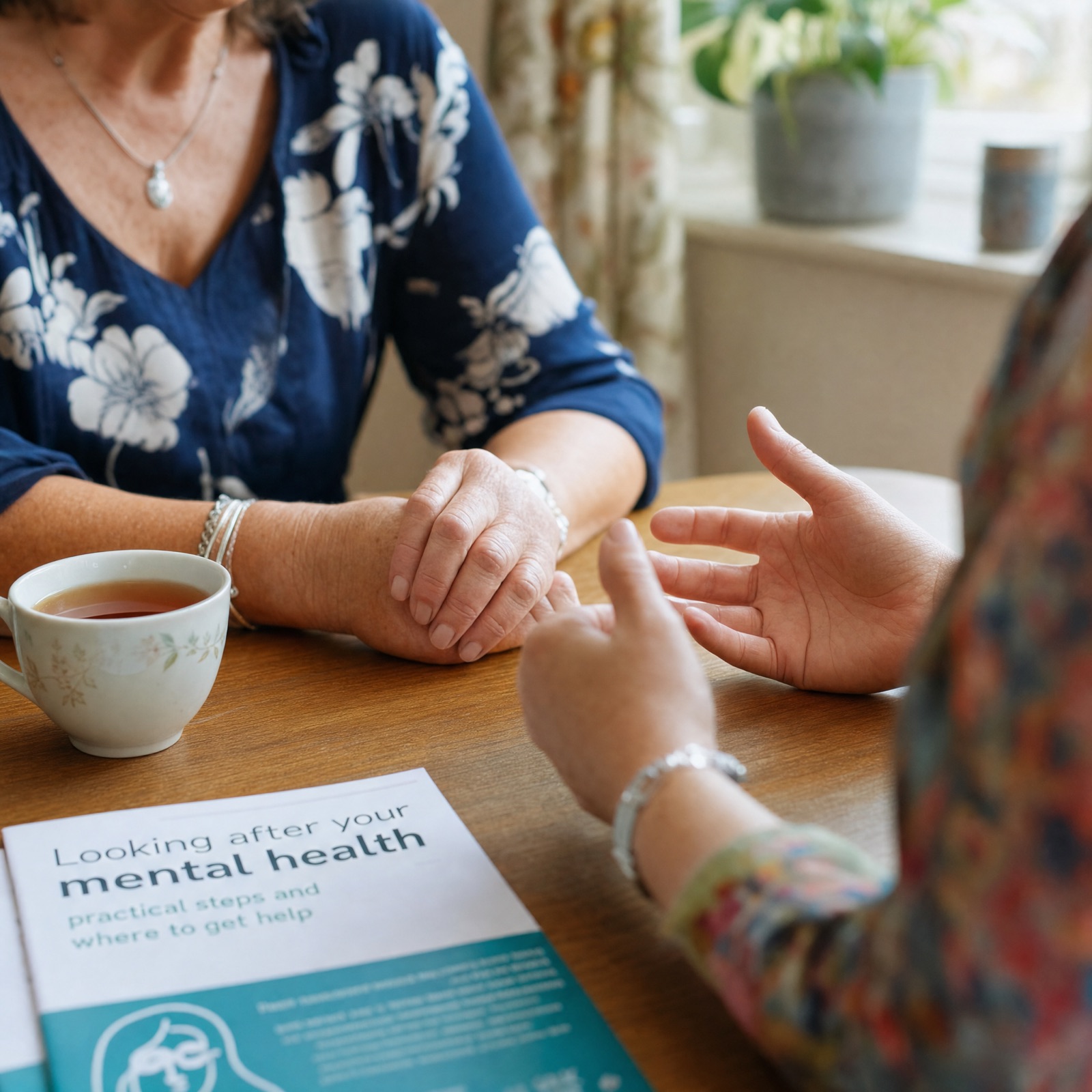
Mental health is inseparable from sleep quality. Chronic sleep disruption is strongly associated with increased risk of anxiety and depression, and shift workers are disproportionately affected. If you find yourself feeling persistently low, irritable, or disconnected, it's worth naming that to someone — not as a weakness, but as a genuine occupational health concern. Vibrant Health Advocates - Orion's drop-in sessions include conversations about mental wellbeing, and advisors can help connect you with appropriate support.
Finally, the social dimension of shift work shouldn't be underestimated. Missing evenings, weekends, and family routines has a real cost, and isolation is a risk factor for poor health outcomes in its own right. Building intentional connection into your off-hours — even imperfectly — matters. If you're a shift worker in Livingston and want to talk through any of the above, our drop-in sessions are designed around your schedule. You don't need an appointment. You just need to turn up.